Travel Crate
International Pet Travel Crates:
Sizes, Safety & How to Measure
Your Pet

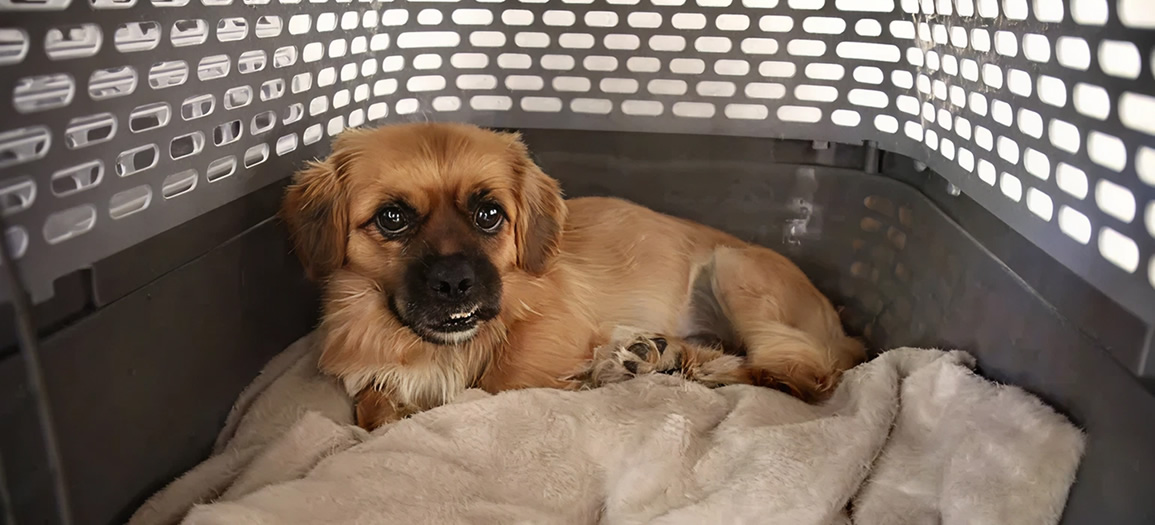
Choosing the right travel crate is one of the most important parts of international pet relocation.
Airlines and countries require pets to travel in approved crates that keep them safe, comfortable, and compliant throughout their journey.
This guide explains:
- What type of crate is required for international pet travel
- How crate sizes are determined
- How to properly measure your pet
- Common crate mistakes to avoid
Why Travel Crates Matter for International Pet Relocation
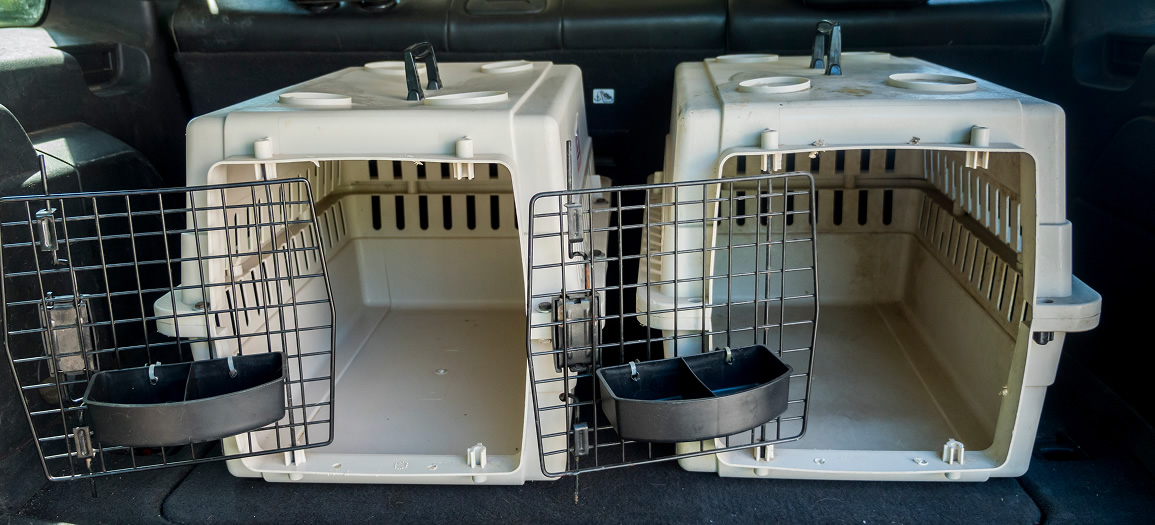
International airlines follow strict regulations for pet travel crates to ensure:
- Your pet can stand, turn around, and lie down comfortably
- Proper airflow and ventilation during flight
- Structural safety during handling and transport
Using the wrong crate size can result in:
- Airline refusal at check-in
- Travel delays
- Stress or discomfort for your pet
That’s why crate selection is a critical part of the relocation process.
What Type of Crate Is Required for International Pet Travel?
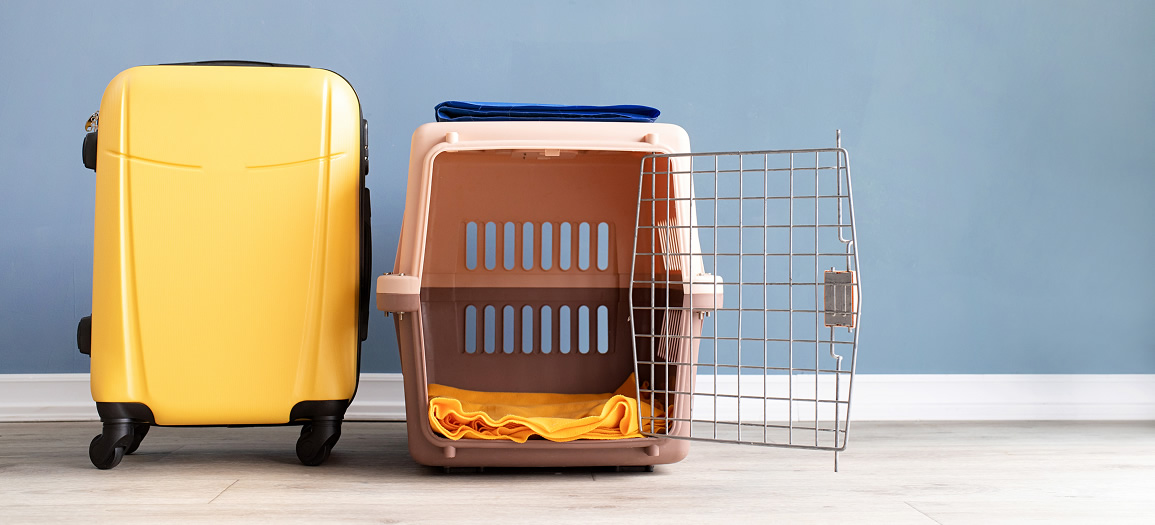
Most international flights require an IATA-compliant hard-sided travel crate.
These crates typically include:
- Rigid plastic or fiberglass construction
- Ventilation on all four sides
- Secure metal door and locking system
- Leak-proof base
- Proper labeling and live-animal stickers
Soft-sided carriers are not permitted for cargo or checked-baggage international travel.
How Airline Crate Sizing Works
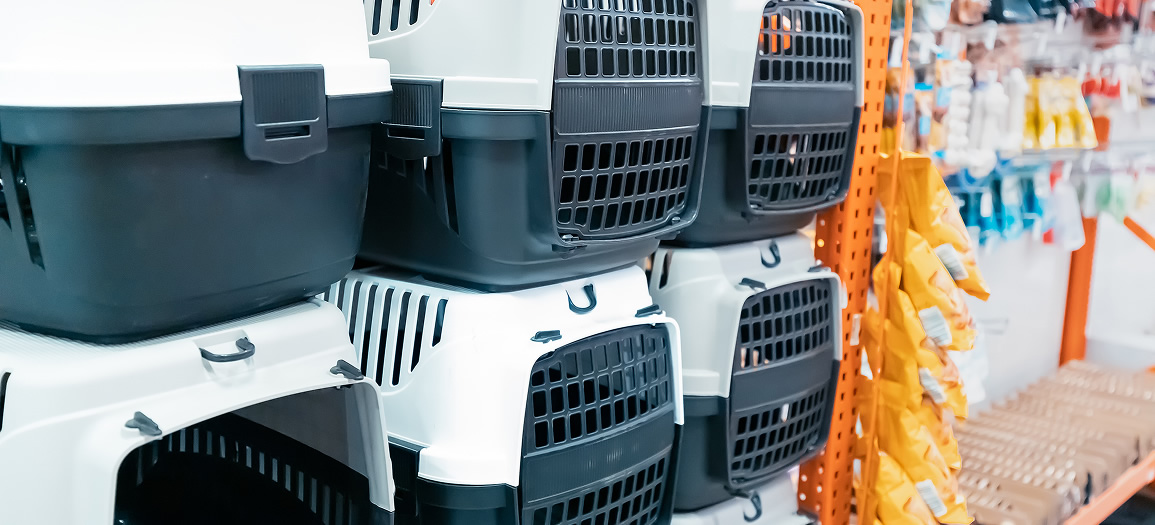
Airlines do not size crates based on your pet’s weight alone. Instead, crate size is determined by your pet’s physical measurements.
Your pet must be able to:
- Stand upright without touching the top
- Turn around comfortably
- Lie down naturally
If the crate is too small, airlines may deny boarding – even if your pet fits inside.
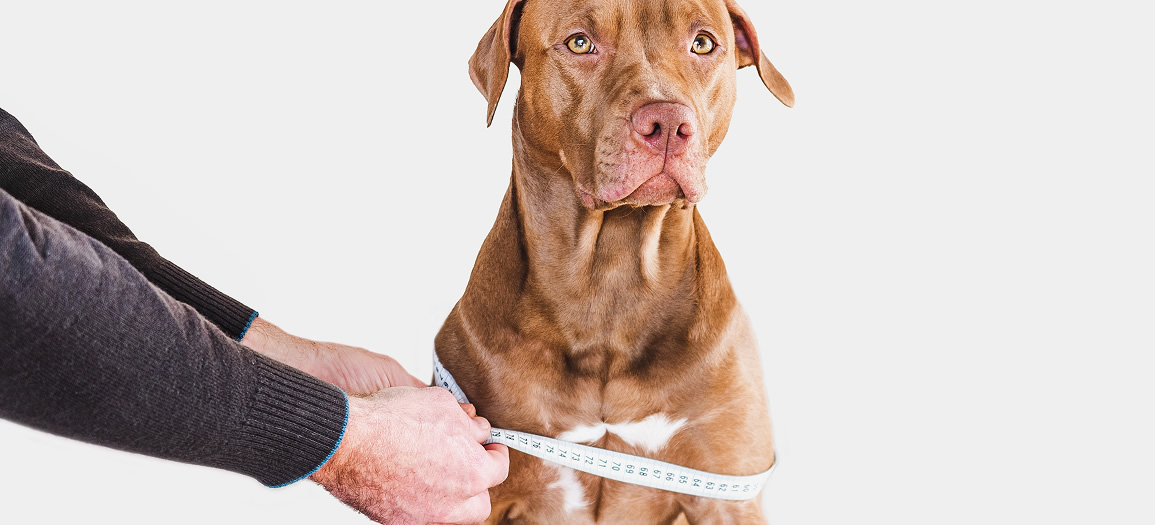
How to Measure Your Pet for a Travel Crate: Step-by-Step Measuring Guide
You will need a measuring tape and your pet standing naturally.
- Length (A → B)
Measure from:
- The tip of your pet’s nose
- To the base of their tail (not the end of the tail)
- Height (C → D)
Measure from:
- The floor
- To the top of your pet’s head or the tip of the ears (whichever is higher)
- Width
- Measure your pet at the widest point of the body (usually shoulders or hips).
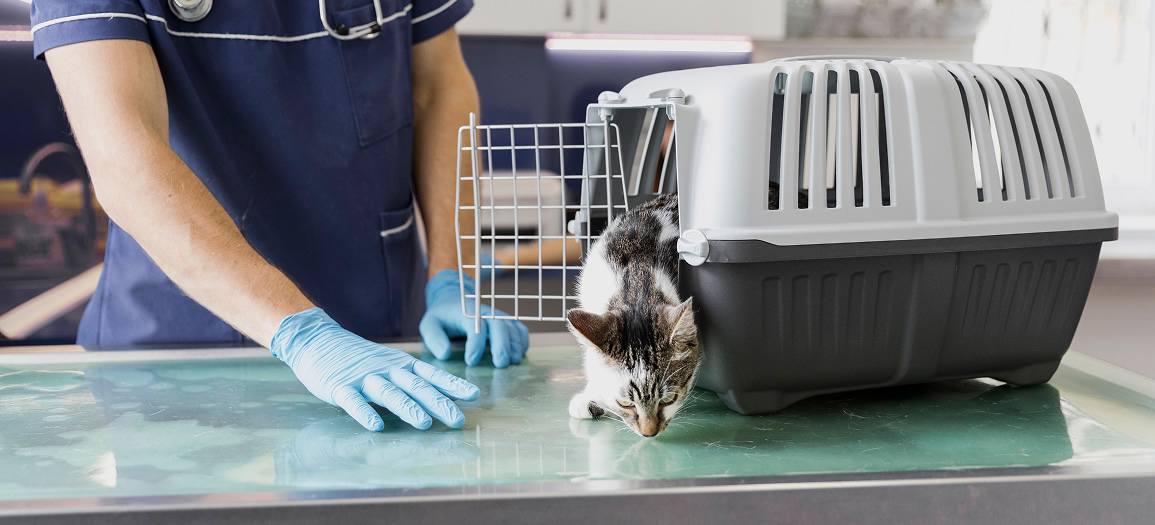
Choosing the Correct Crate Size
Once measurements are taken:
- The crate’s internal length must exceed your pet’s body length
- The internal height must exceed standing height
- Width must allow your pet to turn comfortably
Airlines often require a crate one size larger than what pet owners expect.

Common Travel Crate Mistakes to Avoid
- Choosing a crate based only on weight
- Buying the smallest crate your pet “fits” into
- Waiting until the last minute to purchase a crate
- Not crate-training before travel
- Using non-IATA or airline-incompatible crates
These mistakes can result in travel delays or denied boarding.
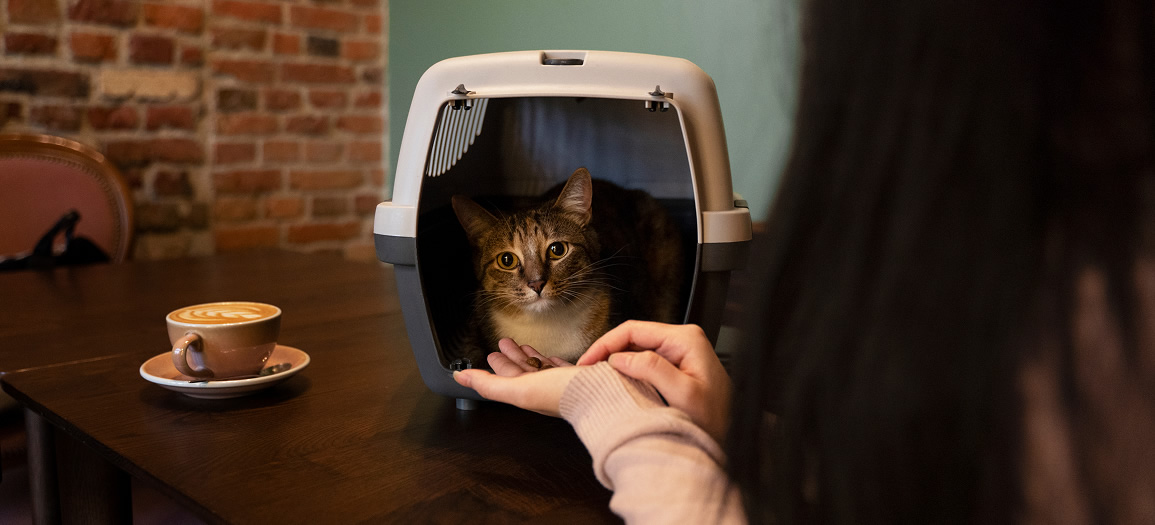
Crate Training Before International Travel
We strongly recommend introducing your pet to their crate weeks before travel.
Helpful tips:
- Leave the crate open at home
- Add familiar bedding or toys
- Offer treats and meals inside the crate
- Gradually increase time spent inside
Crate training helps reduce anxiety and makes travel far less stressful.
Do You Provide or Help Select Travel Crates?
Yes. As part of our international pet relocation services, we:
- Advise on airline-approved crate sizes
- Confirm compliance with airline and destination rules
- Help ensure your pet travels safely and comfortably
Crate selection is coordinated alongside documentation, veterinary requirements, and flight logistics.
Learn more on our Services page or contact us for guidance.
Choosing the right travel crate is one of the most important parts of international pet relocation.
Airlines and countries require pets to travel in approved crates that keep them safe, comfortable, and compliant throughout their journey.
This guide explains:
- What type of crate is required for international pet travel
- How crate sizes are determined
- How to properly measure your pet
- Common crate mistakes to avoid
Why Travel Crates Matter for International Pet Relocation
International airlines follow strict regulations for pet travel crates to ensure:
- Your pet can stand, turn around, and lie down comfortably
- Proper airflow and ventilation during flight
- Structural safety during handling and transport
Using the wrong crate size can result in:
- Airline refusal at check-in
- Travel delays
- Stress or discomfort for your pet
That’s why crate selection is a critical part of the relocation process.
What Type of Crate Is Required for International Pet Travel?
Most international flights require an IATA-compliant hard-sided travel crate.
These crates typically include:
- Rigid plastic or fiberglass construction
- Ventilation on all four sides
- Secure metal door and locking system
- Leak-proof base
- Proper labeling and live-animal stickers
Soft-sided carriers are not permitted for cargo or checked-baggage international travel.
How Airline Crate Sizing Works
Airlines do not size crates based on your pet’s weight alone. Instead, crate size is determined by your pet’s physical measurements.
Your pet must be able to:
- Stand upright without touching the top
- Turn around comfortably
- Lie down naturally
If the crate is too small, airlines may deny boarding – even if your pet fits inside.
How to Measure Your Pet for a Travel Crate: Step-by-Step Measuring Guide
You will need a measuring tape and your pet standing naturally.
- Length (A → B)
Measure from:
- The tip of your pet’s nose
- To the base of their tail (not the end of the tail)
- Height (C → D)
Measure from:
- The floor
- To the top of your pet’s head or the tip of the ears (whichever is higher)
- Width
- Measure your pet at the widest point of the body (usually shoulders or hips).
Choosing the Correct Crate Size
Once measurements are taken:
- The crate’s internal length must exceed your pet’s body length
- The internal height must exceed standing height
- Width must allow your pet to turn comfortably
Airlines often require a crate one size larger than what pet owners expect.
Common Travel Crate Mistakes to Avoid
- Choosing a crate based only on weight
- Buying the smallest crate your pet “fits” into
- Waiting until the last minute to purchase a crate
- Not crate-training before travel
- Using non-IATA or airline-incompatible crates
These mistakes can result in travel delays or denied boarding.
Crate Training Before International Travel
We strongly recommend introducing your pet to their crate weeks before travel.
Helpful tips:
- Leave the crate open at home
- Add familiar bedding or toys
- Offer treats and meals inside the crate
- Gradually increase time spent inside
Crate training helps reduce anxiety and makes travel far less stressful.
Do You Provide or Help Select Travel Crates?
Yes. As part of our international pet relocation services, we:
- Advise on airline-approved crate sizes
- Confirm compliance with airline and destination rules
- Help ensure your pet travels safely and comfortably
Crate selection is coordinated alongside documentation, veterinary requirements, and flight logistics.
Learn more on our Services page or contact us for guidance.
Frequently Asked Questions
About Pet Travel Crates
Are travel crates uncomfortable for pets?
When properly sized and introduced gradually, travel crates are safe and comfortable. Most pets adjust well when prepared in advance.
Can my pet fly without a crate?
For international travel, no. All pets must travel in an approved carrier or crate that meets airline and regulatory standards.
Does my pet stay in the crate the entire journey?
Yes. Pets remain in their crate during flights and handling to ensure safety.
What type of crate is required for international pet travel?
Most international airlines require an IATA-compliant, hard-sided travel crate. These crates must be made of rigid plastic or fiberglass, include ventilation on all sides, have a secure metal door with a locking mechanism, and provide enough space for your pet to stand, turn around, and lie down comfortably. Soft-sided carriers are not permitted for international cargo or checked-baggage travel.
How do I know if my pet’s travel crate is the correct size?
Your pet’s crate must be sized based on physical measurements, not weight alone. When standing naturally, your pet should not touch the top of the crate and should be able to turn around and lie down without restriction. Airlines will deny crates that are too small, even if the pet technically fits inside.
Can my pet be denied boarding if the crate is too small?
Yes. Airlines can and do deny boarding if a crate does not meet size or safety requirements. This is one of the most common reasons pets are refused at check-in. Proper crate sizing is essential to avoid delays, rebooking fees, or last-minute travel disruptions.
Are soft-sided carriers allowed for international flights?
In most cases, no. Soft-sided carriers are generally only allowed for limited in-cabin travel on select airlines and routes. For international pet relocation — especially cargo or checked baggage — airlines require a hard-sided, airline-approved travel crate that meets IATA standards.



Not Sure Which Crate Your Pet Needs? We Can Help.
Choosing the wrong crate can delay or prevent your pet’s international travel. As part of our
door-to-door international pet relocation services, we help ensure your pet’s crate meets all
airline and destination requirements — before travel day. Give us a call today!